

Attacks Will Not Mutate the UAE’s DNA
The United Arab Emirates has repeatedly shown that it doesn’t just “bounce back” after a crisis; it “bounces forward
- by Mohammed Abdul Rahman Baharoon ,
- Friday, 13th March, 2026
The skies over the United Arab Emirates – typically symbols of global connectivity and ambition – have recently been clouded by a conflict not of its making. In the two weeks since February 28, the UAE has faced an unprecedented wave of nearly 2,000 Iranian missile and drone attacks. While Tehran claims these strikes are retaliation for joint U.S.-Israeli operations, the reality on the ground suggests that the UAE is being forced to pay the price for a regional fire it has consistently tried to extinguish...
click HERE to read
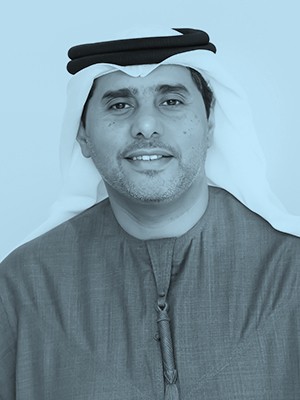
Mohammed Abdul Rahman Baharoon
Director General
Read More
Areas of Expertise
- Geo-strategy
- Reputation and soft power
- Public Policy and International Relations
Education
- Master’s degree in English Literature from Texas Tech University in 1995
- English Major from Kuwait University in 1987
Bio
He perused a career in media as a reporter for “Al Arabi” Magazine, Al Ittihad newspaper, and then Editor for Gulf Defense Magazine before starting as director of research at both and focusing on the interplay between Geostrategy and policymaking in governance, stability, capacity building, and future-proofing.
Mohammed has also worked as Deputy Director of Watani (UAE’s first initiative on National Identity) and is also a founding member of the board of “Bussola Institute” a think tank in Brussels that focuses on the changing and emerging aspects of the partnership between the EU and the GCC member states.
As part of his interest in the emerging geostrategic space of the Arabian Peninsula, Mohammed looks at Iran as part of the development of the area as a major trade artery. This development implies developing a sustainable relationship with its regional neighborhood on the Arabian Gulf, The Arabian Sea, the Red Sea, or the Mediterranean. Iran is a major component of that space and becoming more adaptable to the modernization process will allow it to become part of the future development of the region.